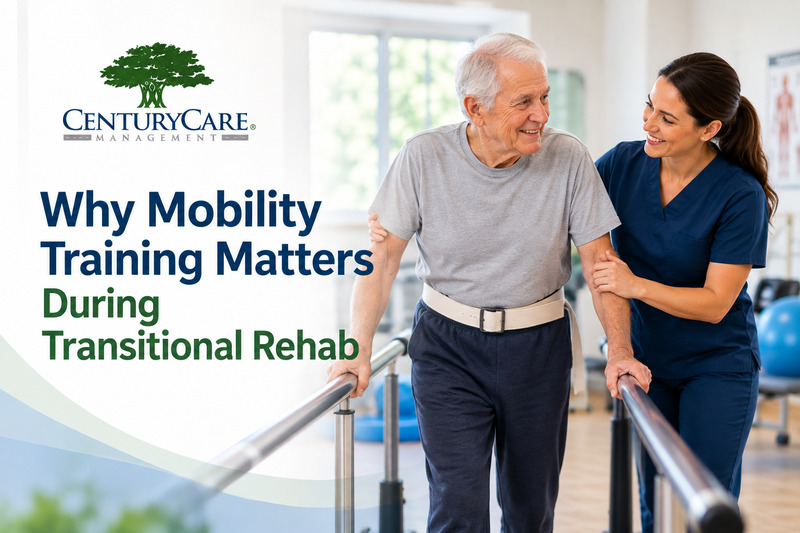

How Skilled Rehabilitation Supports Recovery After Knee Surgery
August 1, 2026
When Is It Time to Consider Long-Term Care for a Loved One in Cary, NC?
September 7, 2026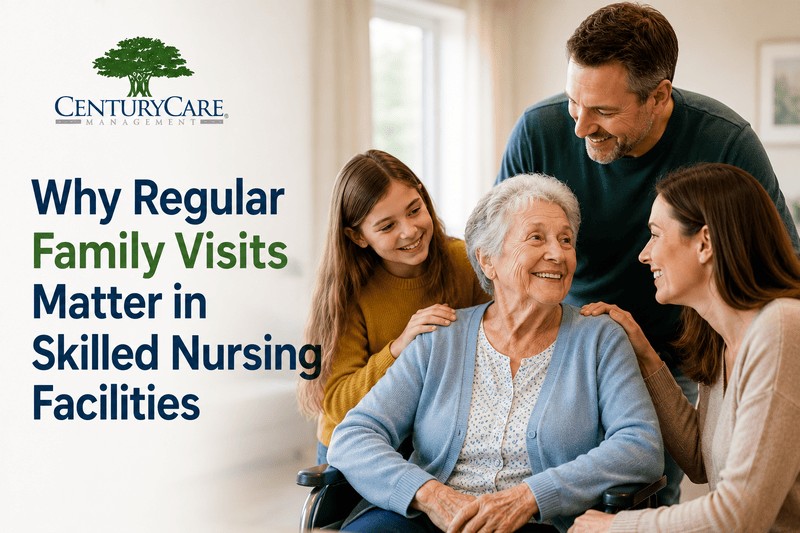
A familiar face can do something no treatment plan can: remind a resident they are still deeply loved.
When a loved one moves into a skilled nursing facility, it is natural for families to experience a mix of emotions. There may be relief in knowing they are receiving professional medical care, but there can also be concerns about how the transition will affect their emotional well-being. One of the most meaningful ways families can continue supporting a loved one during this time is through regular visits.
While skilled nursing teams provide exceptional medical care, therapy, and daily support, family members remain an essential part of the recovery journey. A familiar face, a shared laugh, or simply sitting together during a quiet afternoon can provide comfort and reassurance that no treatment plan can replace.
Regular visits do much more than brighten someone’s day. They can boost emotional health, encourage participation in therapy, strengthen communication with the care team, and help residents maintain a strong sense of connection to the people and experiences that matter most. Whether a loved one is receiving short-term rehabilitation or ongoing skilled nursing care at Century Care Management, Inc., family involvement continues to play a valuable role in their overall well-being.
Jump To Section
Comfort and Stability
Emotional Benefits of Family Visits
Moving into a skilled nursing community often means adjusting to a new environment, new routines, and unfamiliar faces. Even when the decision is the right one, that transition can feel overwhelming at first.
Regular family visits provide a sense of stability during this adjustment period. Seeing children, grandchildren, siblings, or close friends reminds residents that they remain an important part of their family’s life. These visits can reduce feelings of loneliness, ease anxiety, and provide encouragement during challenging days.
Conversations do not have to focus on health or recovery. Talking about family milestones, favorite memories, hobbies, sports, gardening, or upcoming holidays helps create a sense of normalcy and gives residents something to look forward to. Even a short visit can lift a person’s spirits and reinforce that they are loved, valued, and supported.
Emotional wellness is closely connected to physical health. When residents feel happier and more connected, they are often more motivated to participate in daily activities and therapy sessions that support their recovery.
Shared Motivation
Supporting Recovery Through Family Involvement
Recovery is rarely something a person accomplishes alone. It takes collaboration between residents, healthcare professionals, and family members who all share the same goal of helping someone regain strength and independence.
Many individuals receiving skilled rehabilitation services are recovering from surgery, illness, injury, or hospitalization. During this time, therapy sessions may be physically demanding, and progress can sometimes feel slower than expected. Family encouragement often becomes a powerful source of motivation.
Celebrating small victories, whether it is walking a little farther, climbing a few stairs, improving balance, or completing a daily task independently, can help residents stay focused on their goals. Families who understand the rehabilitation process are also better equipped to encourage continued participation in therapy and reinforce positive progress.
Therapists frequently welcome family involvement because it creates consistency between rehabilitation sessions and everyday interactions. When everyone works together, residents often feel more confident throughout the recovery process.
Working Together
Better Communication With Care Teams
Family visits also create valuable opportunities for communication with nurses, therapists, and other members of the care team.
While healthcare professionals regularly monitor each resident’s progress, family members often notice subtle changes because they know their loved one so well. Sharing observations, asking questions, and discussing concerns during visits helps create stronger partnerships and ensures everyone is working toward the same goals.
Open communication allows families to better understand:
Therapy progress
Medical updates
Nutrition and dietary needs
Daily routines
Upcoming care plan meetings
Discharge planning, when appropriate
This collaborative approach helps families feel informed while allowing the care team to provide more personalized support. It also connects naturally to the rights every resident holds in their own care decisions.
Time Well Spent
Tips for Meaningful Visits
Many people worry about what they should do during a visit or whether they will have enough to talk about. The good news is that meaningful visits do not need to be elaborate. Simply spending quality time together is often enough.
Some ideas include:
Looking through family photo albums
Playing cards or board games
Reading books or newspapers together
Watching a favorite television show
Listening to music
Taking a walk around the facility or outdoor courtyard
Sharing a favorite snack if permitted by the care team
Talking about family events and happy memories
It is also helpful to schedule visits during times when your loved one feels most alert and energetic. If they participate in therapy, coordinating visits around those sessions allows them to remain focused on rehabilitation while still enjoying family time.
The goal is not to fill every moment with activity. Sometimes the most meaningful visits are simply quiet conversations or sitting together in comfortable silence.
Across the Miles
Staying Connected From a Distance
Not every family lives close enough to visit regularly, and work schedules, health concerns, or travel limitations can sometimes make in-person visits difficult. Fortunately, there are many ways to stay connected.
Phone calls, video chats, handwritten letters, greeting cards, emails, and care packages all remind residents that they are being thought of. Sharing photographs of grandchildren, vacations, pets, or family celebrations helps residents continue feeling involved in everyday life, even when miles separate them.
Some families establish regular weekly video calls or designate certain evenings for check-ins. These consistent routines often become something residents eagerly anticipate.
While virtual communication may not replace face-to-face interaction, it remains a valuable way to strengthen relationships and provide ongoing emotional support.
Safe and Welcoming
Understanding Visitor Guidelines
Every skilled nursing facility has visitor policies designed to protect residents while creating a welcoming environment for family and friends.
Visitor guidelines may address topics such as visiting hours, health and infection prevention practices, special event participation, or recommendations during periods of increased illness in the community.
Families should become familiar with these guidelines and communicate with staff if they have questions about scheduling visits or participating in special occasions. Following visitor recommendations helps maintain a safe environment while ensuring residents continue enjoying meaningful time with loved ones.
Our Approach
Family-Centered Care at Century Care
At Century Care, we believe families are an essential part of every resident’s care experience. Medical treatment and rehabilitation are important, but meaningful relationships, emotional support, and open communication contribute just as much to a person’s overall quality of life.
Our interdisciplinary team encourages family involvement throughout every stage of care, whether a resident is participating in skilled nursing facility rehabilitation services following surgery or receiving ongoing nursing support. We strive to create welcoming spaces where families feel comfortable visiting, asking questions, participating in care planning, and celebrating milestones alongside their loved ones.
Families researching nursing homes in Cary North Carolina often look beyond clinical services alone. They want a community where their loved one will be treated with dignity, compassion, and respect while remaining closely connected to the people who matter most. If you are exploring options for a parent or spouse, our admissions team is happy to talk you through the next steps.
The Bigger Picture
Connection Is Part of the Care Plan
Family visits are about much more than spending time together. They provide emotional encouragement, strengthen motivation during recovery, improve communication with healthcare teams, and help residents maintain meaningful connections throughout their stay.
Whether visits happen every day, every week, or through regular phone calls and video chats, consistent family involvement reminds residents that they are supported every step of the way. Those connections can make a meaningful difference in both emotional well-being and rehabilitation success.
At Century Care, we are proud to provide compassionate care that values the important partnership between residents, families, and healthcare professionals. Through personalized skilled rehabilitation services, comprehensive skilled nursing facility rehabilitation services, and a family-centered approach, we help residents recover with confidence while maintaining the relationships that enrich their lives.
Come See Our Community in Cary
We would love to show you the spaces where families gather, answer your questions about visiting, and introduce you to the team caring for your loved one. Call 919-467-8686 or schedule a tour at a time that works for you.