
How Patient Satisfaction Surveys Help Improve Care Quality
July 17, 2026
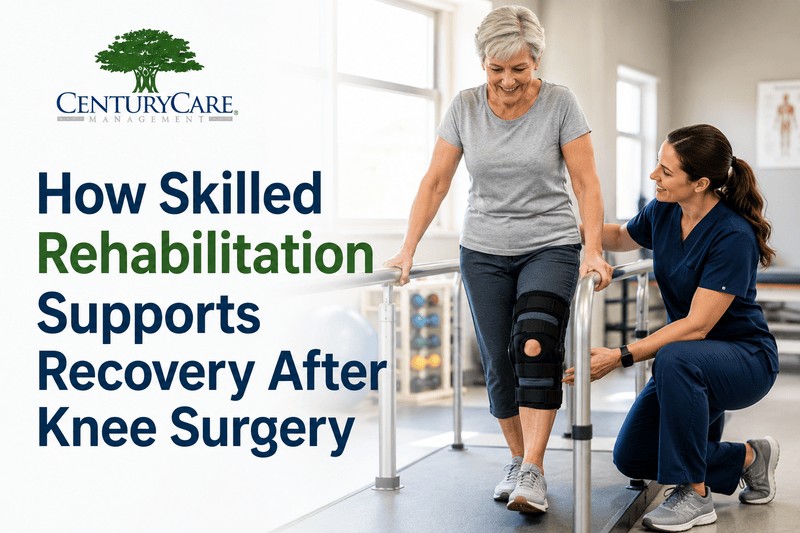
How Skilled Rehabilitation Supports Recovery After Knee Surgery
August 1, 2026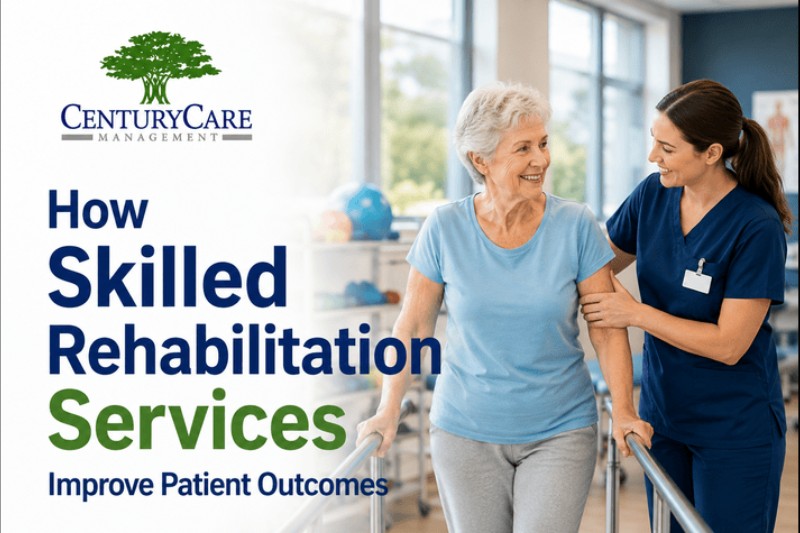
Recovery is a journey, and the right rehabilitation care helps patients reach it with strength and confidence.
Recovering from a serious illness, injury, or surgery is often a journey rather than a single event. While leaving the hospital is an important milestone, many patients still need additional care, therapy, and support before they can safely return to their daily routines. That is where skilled rehabilitation services can make a life-changing difference.
A skilled rehabilitation program offers far more than therapy sessions. At Century Care Management, Inc., right here in Cary, it means a personalized approach to healing that helps patients regain strength, restore independence, and improve their overall quality of life. Through coordinated medical care, individualized treatment plans, and compassionate support, our rehabilitation professionals help patients overcome challenges and reach meaningful recovery goals. Whether someone is recovering from a joint replacement, stroke, cardiac event, fracture, or prolonged hospitalization, receiving care in a setting that specializes in rehabilitation can significantly improve long-term outcomes.
Jump To Section
Personalized Recovery
Personalized Recovery Plans for Every Patient
No two patients recover in exactly the same way. Age, medical history, current health, personal goals, and the type of injury or illness all shape the rehabilitation process. Because of this, successful recovery begins with a personalized care plan tailored to each individual’s unique needs.
Upon admission, an interdisciplinary team of physicians, nurses, therapists, and other healthcare professionals evaluates the patient’s condition and develops a customized treatment plan. This collaborative approach ensures that every aspect of recovery is carefully coordinated. Goals may include improving mobility, increasing strength, restoring daily living skills, managing pain, or preparing for a safe return home. As patients progress, their care plans are continually adjusted to reflect improvements and new milestones, allowing each person to recover at their own pace while receiving support every step of the way.
Strength and Mobility
Improving Strength and Mobility
After surgery or a prolonged hospital stay, even simple movements can become difficult. Muscles weaken quickly during periods of inactivity, balance may decline, and everyday tasks such as walking, climbing stairs, or getting dressed can suddenly feel overwhelming. One of the primary goals of skilled rehabilitation services is helping patients rebuild physical strength and mobility. Physical therapists work with patients to improve:
Balance
Flexibility
Endurance
Coordination
Walking ability
Overall strength
Through carefully designed exercise programs and hands-on therapy techniques, patients gradually regain confidence in their physical abilities. Occupational therapists complement these efforts by helping patients relearn essential daily activities such as bathing, dressing, cooking, and safely moving throughout their homes. These improvements often translate into greater independence and a smoother recovery once patients return home.
Independence
Enhancing Independence Through Therapy
For many patients, recovery is about much more than healing physically. It is about regaining the ability to live independently and enjoy everyday life again. Comprehensive skilled nursing facility rehabilitation services focus on restoring the functional skills patients need to perform daily activities safely and confidently. Therapy sessions often simulate real-life situations, allowing patients to practice movements and routines they will use after discharge.
Whether learning to safely transfer from a bed to a chair, navigating stairs, preparing meals, or improving communication after a stroke, rehabilitation helps patients rebuild confidence while reducing dependence on others. Small accomplishments often lead to significant progress. Walking a little farther each day, dressing without assistance, or returning to favorite hobbies can greatly improve both physical recovery and emotional well-being.
Fewer Readmissions
Reducing the Risk of Hospital Readmission
Hospital readmissions are a concern for many patients and families following discharge. Without proper rehabilitation and ongoing medical supervision, patients may experience setbacks that require additional hospital care. One of the major benefits of receiving rehabilitation in a skilled nursing setting is the coordinated approach to medical management. Patients receive ongoing monitoring for changes in their condition while benefiting from services such as:
Medication management
Pain management
Wound care
Chronic disease monitoring
Nutritional support
Skilled nursing assessments
By identifying potential concerns early, our healthcare professionals can often address issues before they become serious enough to require hospitalization. This proactive approach not only supports recovery but also provides peace of mind for both patients and their families.
Transition Home
Supporting a Safe Transition Home
Returning home is an exciting milestone, but it also requires careful planning. A successful transition involves much more than simply completing therapy sessions. Patients and families need education, resources, and confidence to continue recovery outside the rehabilitation setting. Before discharge, our rehabilitation teams often help patients prepare by providing:
Home safety recommendations
Mobility training
Equipment guidance
Caregiver education
Medication instructions
Follow-up therapy planning
These services help reduce uncertainty while ensuring patients have the tools they need to keep making progress at home. When patients leave rehabilitation feeling prepared and supported, they are often better equipped to maintain their independence and avoid complications.
Compassionate Care
The Value of Coordinated, Compassionate Care
Successful rehabilitation depends on teamwork. Physicians, nurses, therapists, dietitians, social workers, and other healthcare professionals collaborate to provide coordinated care focused on the whole person, not simply a diagnosis. Equally important is the role of compassionate care nursing.
Recovering from illness or injury can be physically demanding and emotionally overwhelming. Patients often experience frustration, anxiety, or uncertainty as they work toward their goals. Compassionate nurses provide encouragement, reassurance, and emotional support while delivering skilled medical care.
This combination of clinical expertise and genuine compassion creates an environment where patients feel respected, motivated, and empowered throughout their recovery. When patients know they are cared for as individuals, they are often more engaged in therapy and more confident in their ability to heal.
Choosing a Partner
Choosing the Right Rehabilitation Partner
Selecting the right rehabilitation provider is an important decision for both patients and families. A quality rehabilitation program offers more than medical treatment. It provides personalized therapy, coordinated care, skilled nursing support, and a welcoming environment that encourages healing.
As a trusted medical center in North Carolina, Century Care is committed to helping patients recover with dignity, confidence, and compassionate support. Our experienced team develops individualized care plans designed to meet each resident’s unique needs while promoting strength, independence, and long-term wellness. Whether recovering after surgery, illness, injury, or hospitalization, patients receive comprehensive rehabilitation services focused on achieving the best possible outcomes.
Recovery does not end when a patient leaves the hospital. In many ways, that is when the real work begins. Through personalized care plans, expert therapy, coordinated medical management, and compassionate support, skilled rehabilitation services help patients regain strength, improve mobility, restore independence, and reduce the risk of hospital readmission. At Century Care, our dedicated team is proud to help patients move forward with confidence, honored to partner with families every step of the way toward renewed health, independence, and a brighter future.
Ready to Take the Next Step in Recovery?
Every recovery journey is unique, and our team in Cary is here to help. To learn more about our skilled rehabilitation services or schedule a tour, reach out to us at 919-467-8686.