
When Is It Time to Consider Long-Term Care for a Loved One in Cary, NC?
September 7, 2026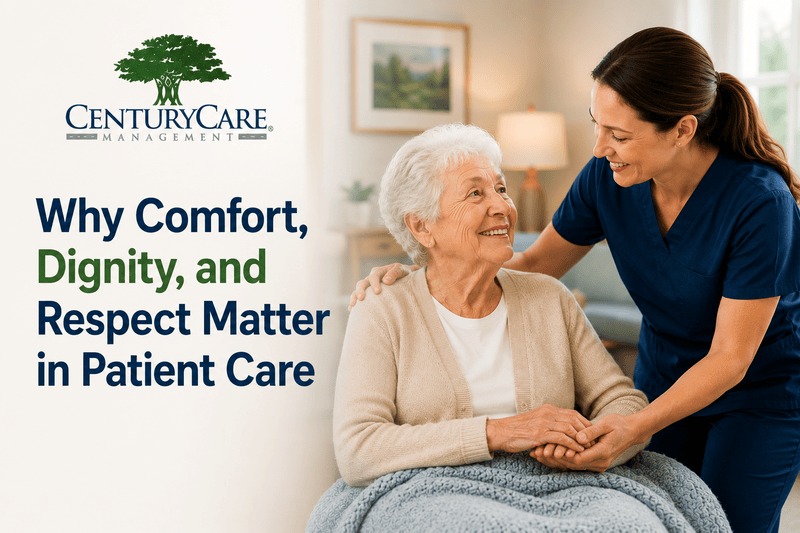
How care is delivered can matter as much as the care itself, and comfort, dignity, and respect sit at the heart of that experience.
Quality healthcare involves much more than treating an illness, managing medications, or completing a rehabilitation program. For patients and residents, the way care is delivered can be just as meaningful as the services themselves. Feeling comfortable, being treated with dignity, and knowing that personal preferences are respected can shape the entire patient experience in healthcare.
This becomes particularly important when someone is recovering from an illness, surgery, injury, or hospitalization. A person who has always been independent may suddenly need assistance with bathing, dressing, mobility, or other personal activities. Others may be adjusting to an unfamiliar healthcare environment while coping with uncertainty about their health and recovery.
During these vulnerable moments, compassionate, respectful care can help patients feel more secure and supported. At Century Care Management, Inc., right here in Cary, we believe that quality care should recognize the whole person, including their physical needs, emotional well-being, individual preferences, and right to be treated with dignity.
Jump To Section
Comfort and Safety
Creating a Safe and Comfortable Care Environment
Comfort may sound like a simple concept, but it encompasses many different aspects of the healthcare experience. A clean and welcoming environment can help patients feel more at ease from the moment they arrive.
Surroundings that feel like home including comfortable rooms, appropriate lighting and temperature, access to personal belongings, and opportunities for restful sleep
Physical comfort that includes addressing pain and other symptoms according to an individual’s care plan
A connected care team where nursing professionals, therapists, and other team members communicate so physical needs are considered throughout recovery
Confidence in asking for help whether someone is getting out of bed, walking to the bathroom, or completing another activity
Someone recovering from surgery, for example, may find it difficult to participate fully in rehabilitation if discomfort is not adequately addressed. Safety matters for the same reason.
A safe environment is not simply about preventing problems. It is about creating a setting where residents can focus more of their energy on healing, rehabilitation, and everyday life.
Individual Preferences
Respecting Individual Needs and Preferences
Every person entering a healthcare setting brings a lifetime of routines, preferences, experiences, and values with them. Those things do not disappear simply because someone needs medical or nursing care.
Respecting individual preferences can take many forms:
Asking how someone prefers to be addressed
Considering their normal daily routine when possible
Respecting privacy during personal care
Including residents in decisions about activities and rehabilitation goals
This is particularly important when residents require assistance with bathing, dressing, toileting, or other personal activities. These are private aspects of everyday life, and needing help with them can make someone feel vulnerable.
Compassionate care nursing recognizes that providing assistance is not simply about completing a task. Staff members can explain what they are doing, protect privacy, listen to concerns, and encourage residents to do what they can independently.
Supporting independence wherever appropriate can also reinforce dignity. A resident may need help with part of an activity without needing someone to take over the entire task. Allowing individuals to maintain their abilities and make appropriate choices can help them retain a greater sense of control.
Building Trust
Building Trust Through Compassionate Communication
Trust is essential in healthcare, and communication is one of the most effective ways to build it. Patients and families often have many questions, especially during a transition from the hospital to rehabilitation or skilled nursing care. They may want to understand medications, therapy goals, changes in a health condition, or what needs to happen before the patient can safely return home. Clear explanations can make an unfamiliar situation feel less overwhelming.
Good communication also means listening. Patients should feel comfortable sharing concerns, asking questions, and expressing preferences. When someone says they are experiencing discomfort, feeling anxious, or struggling with part of their care plan, taking that concern seriously communicates respect.
Families can be important partners in these conversations as well. With the resident’s preferences and privacy rights in mind, keeping appropriate family members informed can help everyone better understand the care plan and work toward shared goals.
When researching a medical center in North Carolina, rehabilitation center, or skilled nursing community, families may want to ask how communication is handled. Knowing whom to contact with questions and how the care team involves residents and families can provide valuable insight into the culture of an organization.
Emotional Well-Being
Supporting Emotional Well-Being During Care and Recovery
Illness and recovery are not purely physical experiences. A person may feel anxious about their health, frustrated by temporary limitations, or worried that they will not regain their previous level of independence. Moving into an unfamiliar healthcare environment can also create feelings of loneliness or uncertainty.
Respectful, compassionate interactions can help residents navigate these emotions. Small things carry real weight:
Taking time to have a conversation, remembering a resident’s preferences, or recognizing progress during rehabilitation
Opportunities for social interaction, activities, family visits, and meaningful routines that keep residents connected to the people and experiences they value
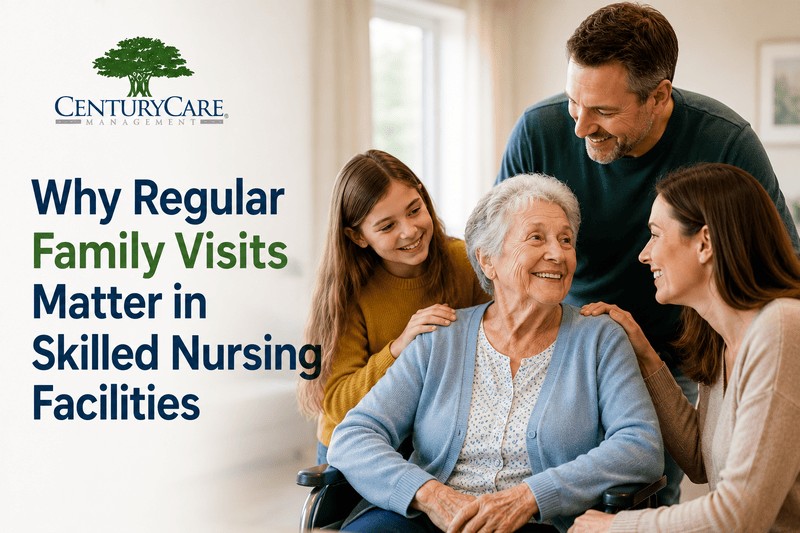
Family involvement, where visits provide encouragement and familiarity while helping loved ones remain involved in the resident’s life
Emotional well-being should not be treated as separate from the overall care experience. Feeling secure, valued, and connected can help create an environment in which residents are more comfortable participating in their daily routines and rehabilitation.
Dignity in Rehab
Dignity Matters During Rehabilitation
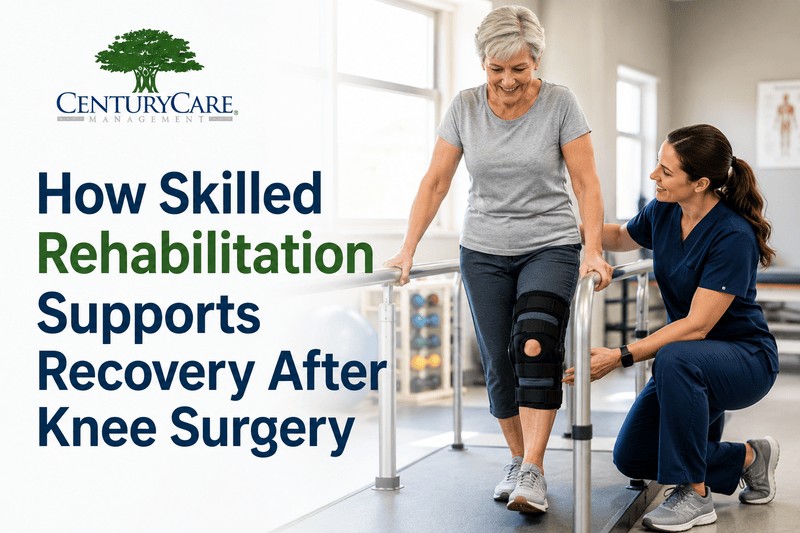
Rehabilitation often requires patients to work on abilities they previously took for granted. Someone may need to relearn how to walk safely, practice getting dressed, work on communication skills, or ask for help transferring from a bed to a chair. These situations can be frustrating, particularly for someone who was highly independent before an illness or injury.
A respectful rehabilitation approach focuses on progress without making the individual feel defined by their limitations. Therapists can explain the purpose of activities, include residents in goal setting, and acknowledge improvements along the way.
Personal goals can also make rehabilitation more meaningful. Instead of focusing solely on a clinical measurement, therapy might help someone work toward walking safely around the home, getting dressed independently, or participating in a favorite activity again.
This approach turns rehabilitation into a partnership rather than something being done to the patient.
Patient-Centered Care
How Patient-Centered Care Improves the Overall Experience
Patient-centered care places the individual at the heart of healthcare decisions. It recognizes that two people with similar medical conditions may have very different goals, preferences, and concerns. For one resident, independence may be the highest priority. Another may be particularly concerned about pain management, maintaining family connections, or returning to a favorite activity.
Understanding these priorities helps healthcare teams create more personalized care plans. Patient-centered care also encourages collaboration among nursing professionals, therapists, physicians, residents, and families. When everyone understands the individual’s goals, care can feel more coordinated and purposeful.
This personalized approach is an important component of the patient experience in healthcare because it helps residents feel like active participants rather than passive recipients of care.
Patient Feedback
Patient Feedback Helps Healthcare Teams Improve
Even healthcare organizations committed to compassionate care need to continually evaluate the experience they are providing. That is where patient surveys in healthcare can be valuable. Surveys can provide insight into areas such as:
Communication and staff responsiveness
Cleanliness, comfort, and respect
The overall care experience, so organizations can recognize what they are doing well while identifying opportunities for improvement
Formal surveys are only one part of listening, however. Residents and families should also feel comfortable providing feedback throughout a stay. Addressing questions and concerns as they arise can improve the current experience while providing useful information for future quality improvement efforts.
When patients believe their feedback matters, it reinforces an important message: their experience is an essential part of quality care.
Our Approach
Compassionate Care at Century Care
At Century Care, we understand that residents and families are trusting healthcare professionals during some of life’s most challenging transitions. Our approach to care emphasizes dignity, respect, communication, and individualized support alongside professional nursing and rehabilitation services.
Compassionate care nursing means looking beyond medical needs to understand the person receiving care. In practice, that looks like:
Respecting privacy and listening to concerns
Encouraging appropriate independence and involving residents in decisions
Recognizing the importance of family and meaningful relationships
Whether someone needs short-term rehabilitation following hospitalization or longer-term nursing support, these principles remain important throughout the care journey.
The Bigger Picture
Creating a Better Healthcare Experience Through Respect
Comfort, dignity, and respect are not extras added to good healthcare. They are fundamental parts of how quality care should feel.
Patients deserve to have their preferences considered, their privacy protected, and their questions taken seriously. Families deserve clear communication and opportunities to understand how their loved one is being supported. Healthcare teams, in turn, benefit from listening carefully to the people they serve.
Through individualized care, compassionate communication, comfortable surroundings, and meaningful patient surveys in healthcare, organizations can continue learning how to improve the experience they provide.
At Century Care, our goal is to create an environment where residents receive professional support while continuing to feel valued as individuals. Because a positive patient experience in healthcare is not defined only by what care is provided. It is also shaped by the dignity, compassion, comfort, and respect patients experience along the way.
See What Compassionate Care Feels Like
Visit us in Cary to meet our nursing and rehabilitation team, ask your questions, and see how we care for the whole person. Call 919-467-8686 or reach out to schedule a tour.