

Signs It May Be Time to Consider a Nursing Home for a Loved One
May 21, 2026
Good care looks after the heart and mind, not only the body. Thoughtful management is what helps residents feel safe, connected, and valued every single day.
When families begin searching for long-term care for a loved one, medical care is often the first thing they consider. Questions about safety, therapy services, medication management, and physical health naturally take center stage. But there is another, equally important piece of the puzzle that sometimes gets overlooked: emotional and mental well-being.
A nursing home should feel like more than simply a place where care is provided. It should feel welcoming, supportive, engaging, and compassionate. The emotional health of residents plays a major role in their overall quality of life, and strong nursing home management helps create an environment where seniors feel respected, connected, and cared for. In many quality North Carolina skilled nursing facilities, including those serving families right here in Cary, management teams work closely with caregivers, therapists, residents, and families to foster a culture centered around dignity, comfort, communication, and personalized support.
At Century Care Management, Inc., resident-centered care focuses not only on physical health, but also on helping residents maintain emotional well-being, meaningful connections, and a strong sense of community.
Jump To Section
A Sense of Home
Building a Positive and Welcoming Living Environment
Moving into a nursing home is a major life transition for seniors and their families. Even when the move is necessary for safety or medical reasons, it can still feel emotional and overwhelming. That is why the overall environment matters so much. Effective nursing home management helps create spaces where residents feel comfortable, welcomed, and valued rather than institutionalized.
Small details can make a surprisingly large impact on emotional well-being:
Friendly, familiar staff interactions throughout the day
Comfortable common areas where residents can gather
Clean and calming surroundings
Personalized living spaces that feel like their own
Consistent, predictable routines
Warm communication with residents and families
When residents feel safe and comfortable in their environment, stress and anxiety often decrease significantly. Positive leadership also shapes the overall culture within a facility. Management teams that prioritize kindness, patience, empathy, and respect help foster a compassionate atmosphere that residents and families can feel immediately.
Emotional Support
Providing Emotional Support Through Compassionate Care
Compassionate care nursing is one of the most important factors influencing emotional well-being in long-term care settings. Residents are often navigating difficult emotions related to aging, illness, recovery, grief, or changing independence. How caregivers communicate and interact with residents can greatly impact how supported and respected they feel.
Quality compassionate care goes beyond completing daily tasks. It involves:
Listening patiently
Showing empathy
Offering reassurance
Respecting personal dignity
Providing encouragement
Taking time to build trust and lasting relationships
Residents who feel emotionally supported are often more comfortable participating in therapy, social activities, and daily routines. Strong management teams help support compassionate care by properly training staff, maintaining healthy staffing levels, encouraging open communication, and creating a workplace culture focused on kindness and respect.
When caregivers feel valued and supported themselves, that positivity often extends naturally into the care they provide residents.
Memory Care
Supporting Cognitive Health and Memory-Related Needs
Mental and emotional well-being also includes cognitive health. Many seniors living in long-term care settings experience some level of memory loss, confusion, or dementia-related challenges. Effective nursing home management helps ensure residents with cognitive changes receive structured, supportive care that promotes both safety and dignity.
Supportive cognitive care often includes:
Predictable daily routines
Memory-focused activities
Calm environments
Gentle communication techniques
Supervised social interaction
Cognitive stimulation programs
Residents experiencing memory loss often feel less anxious when they are surrounded by familiar routines and compassionate caregivers who understand their unique needs. Facilities offering skilled nursing and assisted living frequently incorporate personalized care approaches that help maintain residents’ confidence and emotional comfort while supporting their cognitive well-being.
Family Partnership
Strengthening Family Communication and Involvement
Families play a vital role in residents’ emotional well-being, even after a loved one moves into long-term care. Strong nursing home management recognizes the importance of maintaining open communication and encouraging family involvement whenever possible.
Regular updates, transparent communication, and collaboration between families and care teams help build trust and reassurance. Families often feel more comfortable and confident when they know they are informed and included in care decisions. Many facilities also encourage family participation through:
Care planning meetings
Family events and activities
Flexible visitation opportunities
Ongoing communication with staff
Emotional support during transitions
At the Century Care Resident and Family Resources, families can access information and guidance that helps them stay involved and informed throughout their loved one’s care journey. Maintaining strong family connections often provides residents with additional emotional comfort, familiarity, and stability.
Individualized Support
Enhancing Quality of Life Through Personalized Care Plans
Every resident has unique physical, emotional, social, and cognitive needs. Effective nursing home management helps ensure care plans are personalized rather than one-size-fits-all. A thoughtful, individualized plan may consider:
Medical conditions
Therapy goals
Mobility levels
Social preferences
Emotional needs
Dietary requirements
Cognitive abilities
Personal routines and interests
When care is individualized, residents often experience greater comfort, improved emotional well-being, and a stronger sense of dignity and independence. Personalized care also allows staff to identify emotional changes more quickly and adjust support accordingly.
Leadership Matters
Compassionate Leadership Makes a Difference
The quality of life residents experience in a nursing home is influenced by far more than medical treatment alone. Strong leadership, compassionate caregivers, meaningful engagement, and supportive environments all work together to promote emotional and mental well-being.
At Century Care, resident-focused care emphasizes compassion, communication, dignity, and personalized support to help seniors feel safe, connected, and valued every day. For families exploring long-term care options, understanding the emotional side of care is just as important as evaluating medical services. A supportive environment can make an enormous difference in helping seniors maintain not only their health, but also their happiness, comfort, and overall quality of life.
See the Difference Compassionate Care Can Make
We would love to show you how we support the health, happiness, and dignity of every resident right here in Cary. Schedule a visit or call our team at 919-467-8686 to learn more.

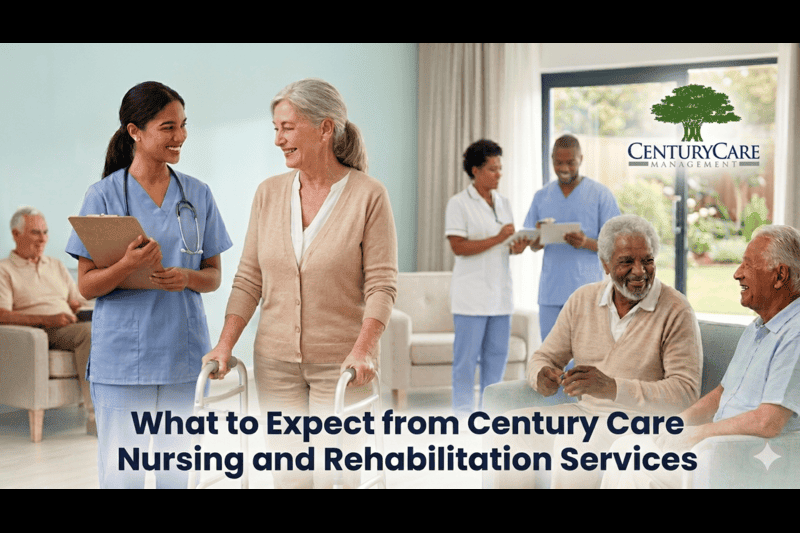
Connection and Community
Encouraging Social Interaction and Engagement
Loneliness and social isolation can have a serious impact on seniors’ emotional and physical health. Many older adults experience feelings of sadness or disconnection after leaving their homes, losing loved ones, or facing mobility limitations. Strong nursing home management recognizes the importance of keeping residents socially engaged and connected.
Activities and social opportunities help residents maintain a sense of purpose, enjoyment, and belonging. These programs are not simply about passing time. They play an important role in supporting emotional health and improving the overall patient experience. Residents often benefit from:
Group games and activities
Exercise classes
Music programs
Holiday celebrations
Arts and crafts
Movie nights
Social dining opportunities
Religious or spiritual services
Even casual daily conversations between residents and staff members can make a meaningful difference emotionally. A well-managed care environment encourages participation while also respecting individual preferences and comfort levels. Some residents thrive in large group settings, while others prefer quieter one-on-one interaction. Personalized engagement helps everyone feel included in ways that are meaningful to them.